

Case study · Oosterweel Linkeroever
- project value
- approximately€300million
- project zones
- 6
- civil structures
- approx.100
- years of work
- 8
A construction project worth approximately €300 million, with six zones and around a hundred civil engineering structures, spanning eight years. Teamservices was brought in in 2018 to adapt the existing KPD environment for operational project reporting. Alongside system configuration and reporting, one of our controllers supported the project management team on site.
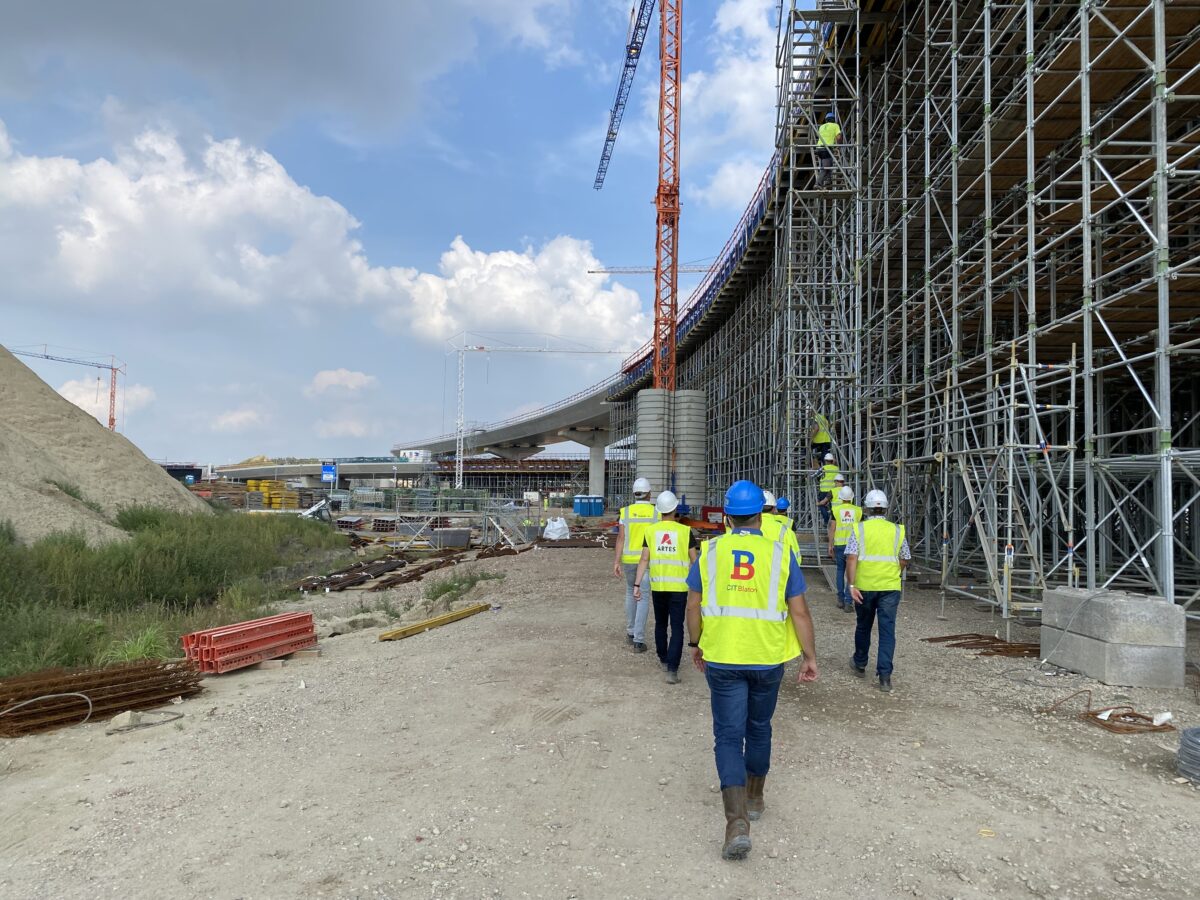
THV Civiel Linkeroever was part of Rinkoniên Linkeroever, the construction consortium responsible for the Oosterweel works on Antwerp’s left bank. The consortium brought together Artes Roegiers, Artes Depret, Mobilis, CIT Blaton and Stadsbader. For the civil engineering works, the project management team needed to maintain an overview of the entire site while also monitoring individual zones and structures.
From financial totals to operational detail
At the outset, the joint venture had a KPD environment configured using a setup inherited from one of the partners. Reporting relied on the financial module, where transactions were aggregated across two dimensions: cost centre and cost type.
That level of detail was insufficient for the project monitoring required. For a structure worth more than €10 million, total costs by cost type reveal little about the work behind the figures. Which activities have been completed? What quantities do they represent? And what will the remaining work cost?
We therefore shifted the basis of project reporting to the operational system, where the underlying quantities and unit prices were available. We also broke the structures down into activities and configured the system to enable monitoring at that level.
The solution lay in reconfiguring the existing software and changing the source used for reporting. This made data from site operations usable for analysis and forecasting.
Assessing budget, progress and costs together
With this structure in place, we developed reports that brought together budget, progress and costs. The focus extended beyond how much had been spent to how much work had been completed and what remained to be done.
This provided the basis for the forecast at completion. We worked with a range between best-case and worst-case scenarios, allowing uncertainty about the remaining work to be reflected in the expected outcome.
Project reporting also covered procurement, labour hours and productivity, as well as variations involving additional or omitted work. Revenue planning and cash flow planning tracked expected income and cash movements. Comparing progress statements with invoicing made discrepancies between the two visible.
The project management team gained an overview of costs incurred, along with information to assess site performance and adjust expectations for the remaining work.
Supporting day-to-day project monitoring
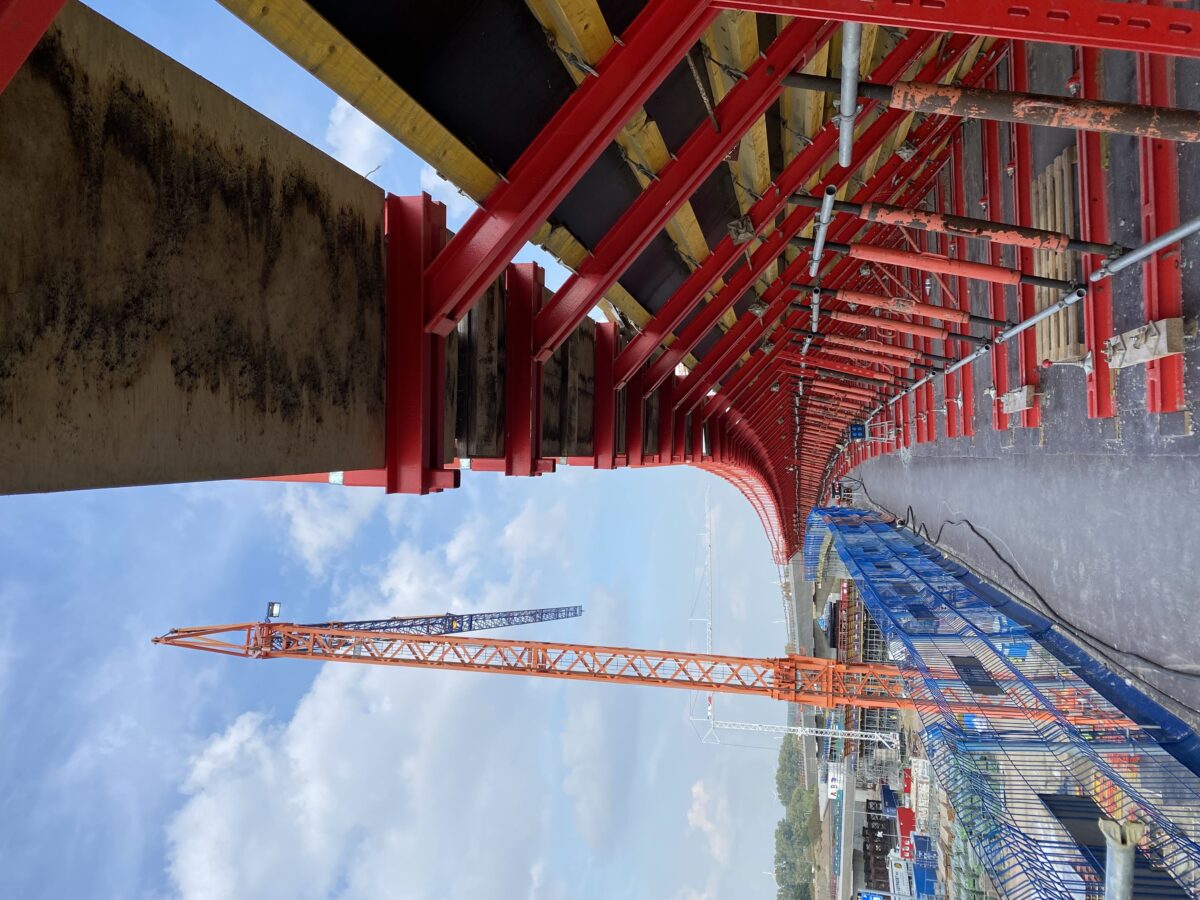
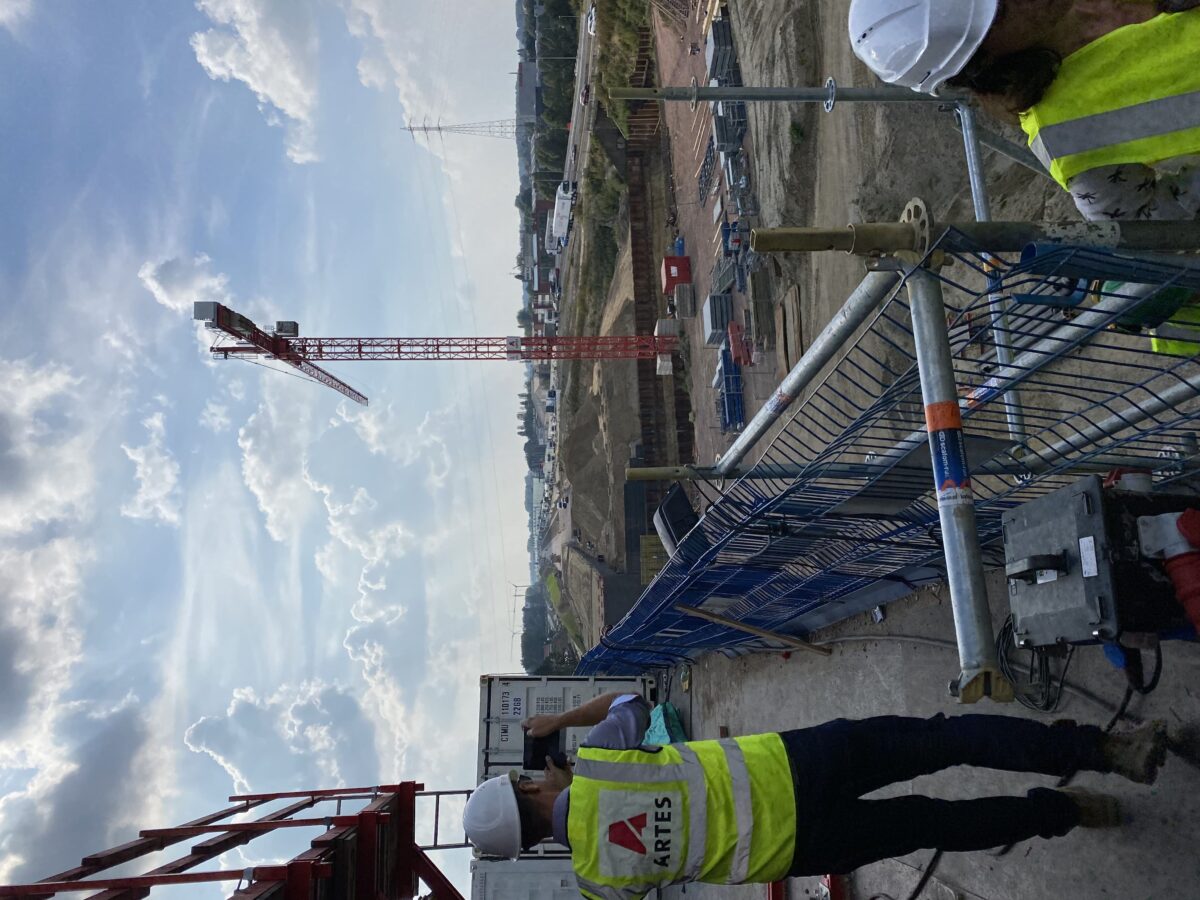
In addition to configuring the system, a Teamservices controller worked on the project. They supported the project management team with reporting and helped monitor labour hours, productivity and logistics.
Our support extended beyond delivering reports. We assisted with implementation, followed up on new functionality and incorporated it into existing working practices. Findings from checks and reports also prompted adjustments to processes and data recording.
System configuration and project cost control were two separate assignments, with direct feedback between them. The configuration enabled more detailed monitoring. Day-to-day use then revealed where data was missing, where recording practices needed to change and where reports could be improved.
Including price adjustments in the forecast at completion
Economic conditions changed significantly during construction. The COVID-19 period brought sharp increases in material prices and supply problems to the construction industry. The war in Ukraine intensified that pressure. Labour costs also rose.
This affected project monitoring. Price adjustments had a relatively limited impact at the outset but became a much more significant component of the financial forecast as the works progressed. The way they had initially been included in reporting was no longer sufficient.
We developed solutions to monitor price adjustments in more detail and incorporate them into forecasts. This allowed the project management team to assess their effect on the expected project result.
We carry that experience into subsequent projects. Lessons from site operations help us improve system configuration and reporting when setting up the next project.
For THV Civiel Linkeroever, our involvement meant that project monitoring was no longer limited to aggregated financial data. Budget, progress and costs could be assessed down to activity level, with on-site support to put that information to use and further develop the reporting.

